


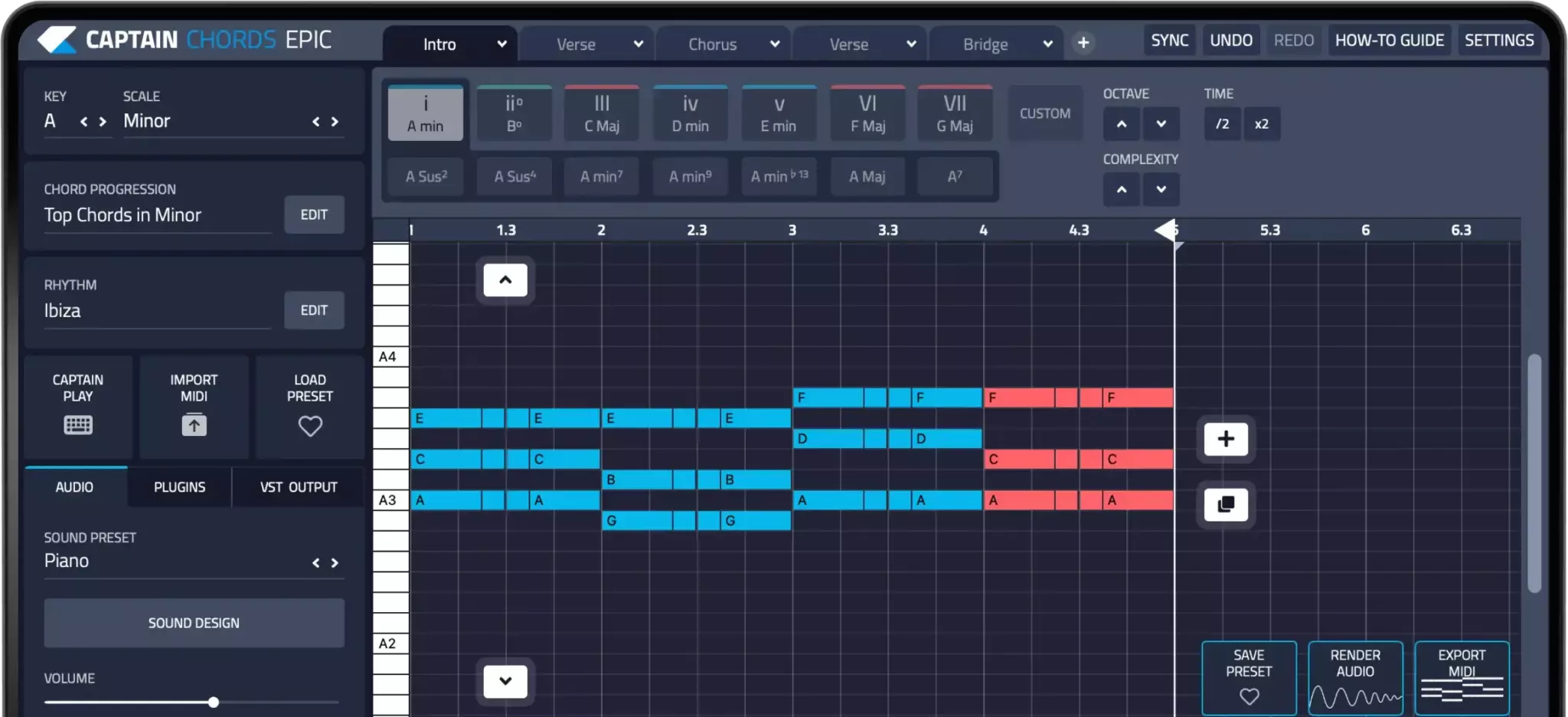
In this article
An original production idea often comes from changing one familiar relationship: a sound’s role, a rhythm’s context or the order in which you write. Keep the experiment specific enough that you can hear what changed.
Identify the convention you want to change
Describe a reference in practical terms: short bass notes, a repeated chord stab or a dense hat pattern. Choose one characteristic to alter. This gives the experiment a musical starting point without requiring you to imitate the entire track.
Move a part into a different role
Try a percussive sound as a melodic source or let a bass rhythm determine the chord attacks. Adjust register and envelope to suit the new job. Keep the recognizable element if it helps the listener follow the change.
Change the writing order
If you usually start with drums, begin with a sung phrase or a bass movement. If chords always come first, write a rhythm before selecting pitches. The new order can expose choices that your usual starting point makes less likely.
Resample a useful accident
Record a short effect pass or an instrument experiment, then select a small moment to develop. Save the dry source and settings when possible. A surprising sound becomes more useful when you can trim, tune and arrange it deliberately.
Finish the experiment as a small piece
A new texture alone is not yet a complete track. Give it a rhythmic or structural context and decide what surrounds it. Export a short version and evaluate whether the unusual element contributes to the music or only attracts attention briefly.
Try this in your project
Take one familiar loop and change just one role: turn its chord rhythm into a bass pattern, or use a percussion hit as a pitched instrument. Build a short arrangement around the result before trying another experiment.
Quick reference
| Focus | What to try | What to listen for |
|---|---|---|
| Reference | Describe one convention | A clear starting point |
| Experiment | Change one relationship | An audible cause and result |
| Development | Arrange a small complete piece | An idea that works beyond a sound test |
Work with Captain Chords
Use Captain Chords to sketch the harmony, edit its voicing and rhythm, then develop the arrangement in your DAW.
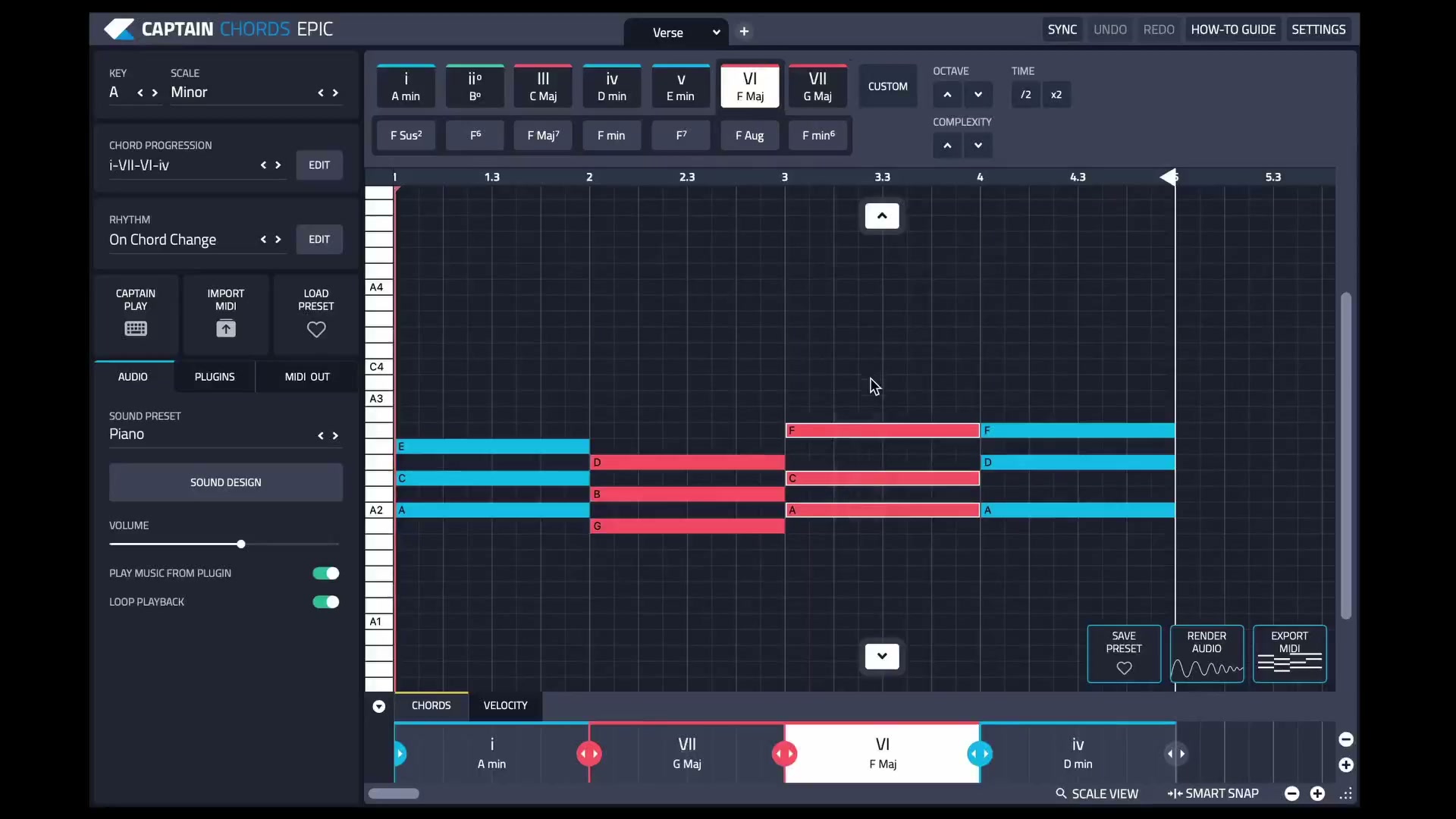
Captain Plugins 8 overview
See the update video for the current canvas and editing workflow.
Common questions
Do I need unusual equipment to make original music?
No. Familiar tools can produce new results through different musical decisions and processing combinations.
Should I ignore genre conventions?
You can challenge them deliberately. Understanding what listeners expect makes it easier to choose which expectation to change.