


In this article
Promoting music starts with making it easy to hear, understand and find again. Prepare a reliable release page, choose a few relevant channels and share material that gives listeners a reason to connect with the track.
Define the release and the audience
Write a plain description of the music and who is likely to enjoy it. Use musical details such as tempo, mood or instrumentation rather than broad claims about changing the industry. This gives you a practical basis for choosing communities, curators or collaborators whose interests overlap with the release.
Prepare a reliable destination
Create one page with the release title, artwork, a playable example or verified listening links and a clear next action. Check it on a phone and make sure the links work without requiring a special account state. If the release is not live yet, label the preview or pre-release information accurately.
Choose a few pieces of useful content
Show a short performance, explain one production decision or compare the original sketch with the finished arrangement. Use material you own and that sounds good outside the studio. A concise explanation of how the bass and drums work together can be more engaging than repeatedly posting the cover with the same announcement.
Contact people with a relevant reason
Read the submission guidance for a curator, publication or community before contacting them. Keep the message short, explain why the release fits and provide one reliable listening link. Avoid sending large unsolicited attachments or identical repeated messages. A thoughtful introduction is easier to act on than an exaggerated biography.
Make a schedule you can sustain
Plan a small sequence around the release: a preview, a release announcement and a later piece showing the music in use. Leave time to respond to comments and questions. More posts are not automatically more useful if each one repeats the same information or reaches people who are not interested in the music.
Review what people actually do
Track meaningful actions such as listening, saving, following or joining your mailing list where those measurements are available. Separate these from impressions alone. Compare the effort spent with the response, then use the result to choose the next small experiment. One release is an opportunity to learn, not proof that a channel always works.
Try this in your project
Prepare a release page and three short pieces: a musical excerpt, one production explanation and one performance or arrangement clip. Ask someone unfamiliar with the track to open the page on a phone and tell you what they would click next.
Quick reference
| Focus | What to try | What to listen for |
|---|---|---|
| Destination | One page with verified links | An easy route to the music |
| Content | Show a specific musical detail | A reason to listen beyond the announcement |
| Review | Measure meaningful actions | A practical next experiment |
Write the parts before mixing them
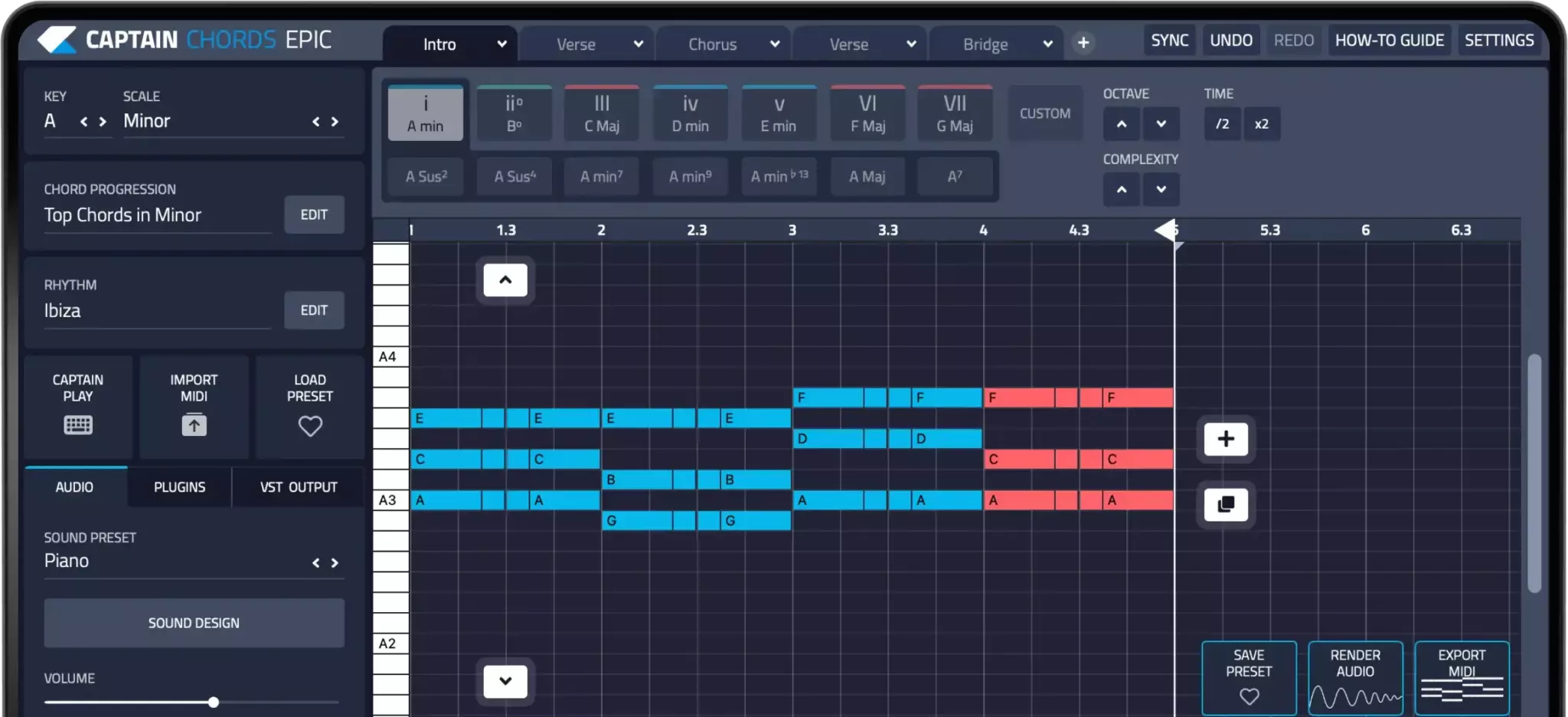
Captain Plugins helps you write chords, melody, bass and drum parts. Balance and process those parts with the mixing tools in your DAW; composition tools do not replace a mix or mastering workflow.
Captain Plugins 8 overview
See the update video for the current canvas and editing workflow.
Common questions
Do I need to post on every platform?
No. Start where the audience and your own content format fit, then expand when you can maintain the work.
Should I pay for guaranteed streams?
Be cautious about offers built around artificial activity. Focus on legitimate listeners and follow each platform’s current promotion policies.