


In this article
For a Fivio Foreign type-beat exercise, start with the interaction between a drill-style drum pattern and bass movement. A short melodic loop supplies atmosphere, while rests and syncopation keep the rhythm from becoming a straight, unchanging pattern.
Establish the pulse with a sparse kit
Choose a session tempo that lets you hear the main backbeat clearly. Place the clap or snare, then add a few kick accents around it. Listen before adding fast hats. The aim is a pattern with recognizable space and movement, not a rigid tempo formula or a copy of a specific record.
Write an original atmospheric figure
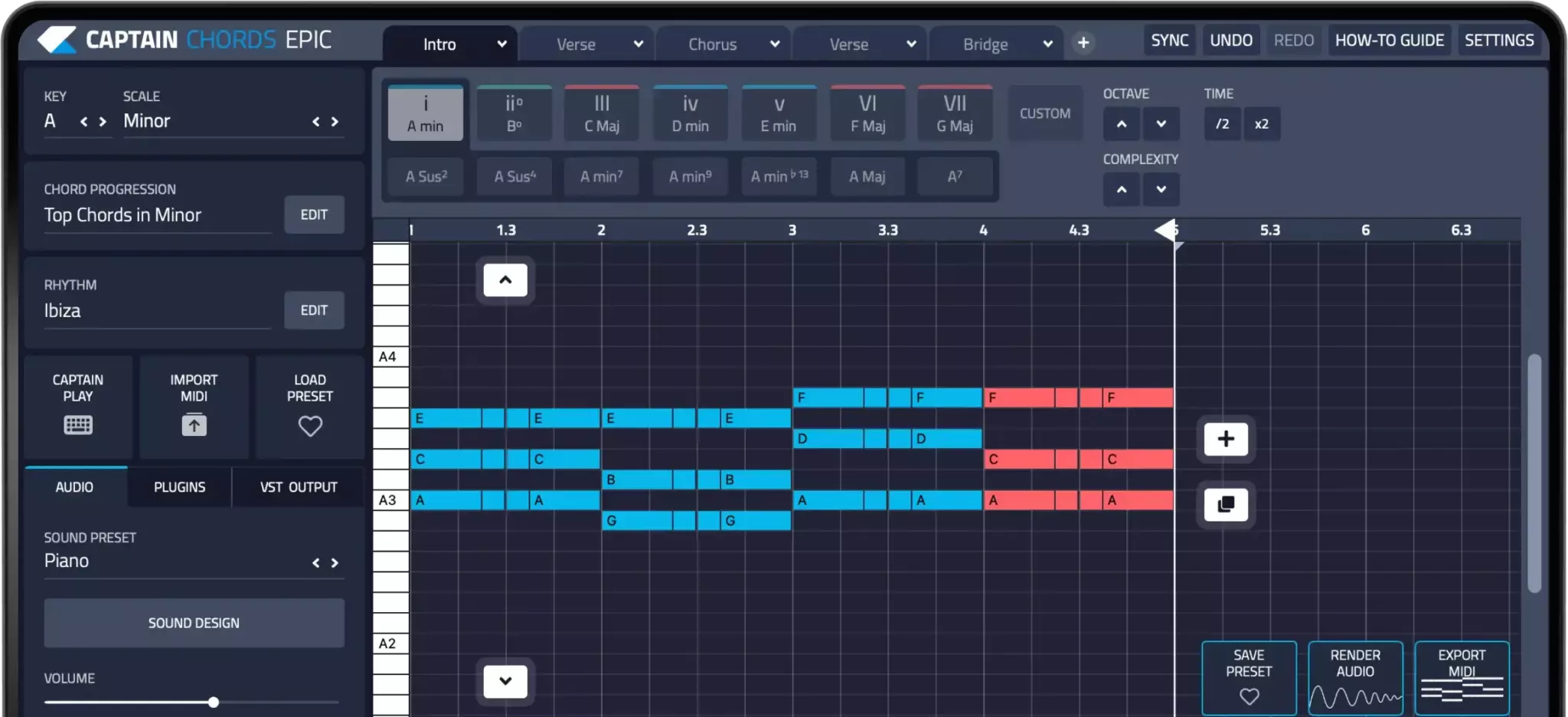
Try a short D–F–E–D phrase over a D-centred bass, using a restrained piano, bell or pad. Repeat it with a small timing variation. The half-step between E and F can create tension, but the sound and register determine how it feels. Avoid assuming that a particular minor key is automatically darker than another.
Make bass slides lead somewhere
Choose target notes first, then add glide between selected notes if your instrument supports it. Keep the arrival on the intended pitch audible. A slide that crosses the whole keyboard may sound dramatic alone but obscure the groove. Check the instrument’s legato and overlap behavior rather than assuming every sampler triggers glide the same way.
Let percussion answer the main pattern
Add a small hat or percussion response in the gap after a kick or vocal phrase. Vary one accent in the second half of the loop to create a return. Keep the important backbeat readable. The rhythm should still make sense when the decorative sounds are muted.
Balance the kick against the sliding bass
A long bass note changes pitch and level over time, so check more than its first attack. Compare kick and bass together across the complete phrase. Shorten a note, adjust its envelope or move a kick before applying heavy processing. The goal is stable low-end weight with a clear rhythmic outline.
Arrange around vocal entry points
Create a short lead-in, then let the first vocal phrase enter over a simpler texture. Bring back an atmospheric layer or percussion response between phrases. A full arrangement needs moments where the bass stops as well as moves. Silence can make the next slide or downbeat more effective.
Listen to the example
An existing Mixed In Key tutorial example for listening to the melodic role and sound. It is separate from the new written exercise above.
An existing Mixed In Key tutorial example for listening to drum and low-end placement. Compare its rhythmic role with the melody example.
Try this in your project
Program a two-bar drum pattern and an original D-centred melody. Add a bass part with only one glide in every four bars. Make a second version with no glide, then compare whether the slide improves the phrase or merely draws attention away from it.
Quick reference
| Focus | What to try | What to listen for |
|---|---|---|
| Rhythm | Build a sparse backbeat and accents | Syncopation with a clear pulse |
| Bass | Choose target notes before glides | Pitch movement that supports the groove |
| Atmosphere | Keep one restrained melodic figure | Space for the vocal and low end |
Work with Captain Beat
Use Captain Beat to sketch the drum part, then compare its pattern and sound choices in the full arrangement.
Captain Plugins 8 overview
See the update video for the current canvas and editing workflow.
Common questions
Does every drill beat need sliding 808s?
No. Slides are one available technique. The rhythm and arrangement must work before decorative pitch movement is added.
Can I demonstrate this with piano alone?
Piano can explain the note choices, but a useful drill example also needs the drum placement and bass articulation.