


In this article
A memorable collaboration gives each contributor a clear musical role while making the finished track feel coherent. Listening for that relationship is more useful to a producer than treating any “greatest” list as an objective ranking.
Listen for a shared foundation
Queen and David Bowie’s “Under Pressure” is a useful reference for hearing how a recognizable foundation can support contrasting vocal contributions. Follow the rhythm section while listening to the changing delivery above it. In your own collaboration, a stable groove can give two writers room to differ without making the song feel like unrelated pieces joined together.
Notice how contrasting styles meet
Run-DMC and Aerosmith’s “Walk This Way” provides a reference for contrasting vocal and instrumental identities sharing a track. Listen for the points where the arrangement connects those identities. The practical lesson is to choose an element both collaborators can respond to, such as a riff or rhythmic pattern, rather than merely placing two finished ideas on top of each other.
Separate complementary roles
Daft Punk’s “Get Lucky,” featuring Pharrell Williams and Nile Rodgers, offers a clear listening exercise in how groove, guitar and vocal can have distinct responsibilities. Focus on one role at a time, then return to the full mix. In a new project, decide which person supplies the rhythmic foundation and which develops the main melodic statement.
Study entrances, answers and shared space
Choose a duet or collaborative performance you know well and mark where the voices alternate, overlap or leave a gap. Notice whether the accompaniment changes when the lead changes. These arrangement decisions can make different performances feel connected. Apply the principle with original phrases rather than borrowing a recognizable vocal line from the reference.
Turn listening into a useful collaboration brief
Describe one quality you want to explore: a repeating guitar figure under contrasting voices, a call-and-response hook or a shared drum groove with different sections. Keep the reference specific. Asking a collaborator to capture one relationship leaves room for original work, while asking them to copy a complete record can produce a weak imitation.
Judge the result as a complete song
A successful session is not measured by how many contributions remain in the final arrangement. Some strong ideas may need to be removed so the track has a clear focus. Compare versions against the shared brief, confirm credits and keep the unused material safely archived. The aim is a coherent piece that benefits from the partnership.
Try this in your project
Choose one collaboration you admire and map its musical roles without transcribing its melody. With a partner, write an original thirty-second piece using the same division of roles. Swap one role for a second version and compare which arrangement makes both contributions clearer.
Quick reference
| Focus | What to try | What to listen for |
|---|---|---|
| Foundation | Identify the shared groove or motif | A coherent setting for different voices |
| Roles | Separate rhythm, harmony and lead | Contributions that complement each other |
| Application | Write original material from one principle | A useful lesson without copying the reference |
Write the parts before mixing them
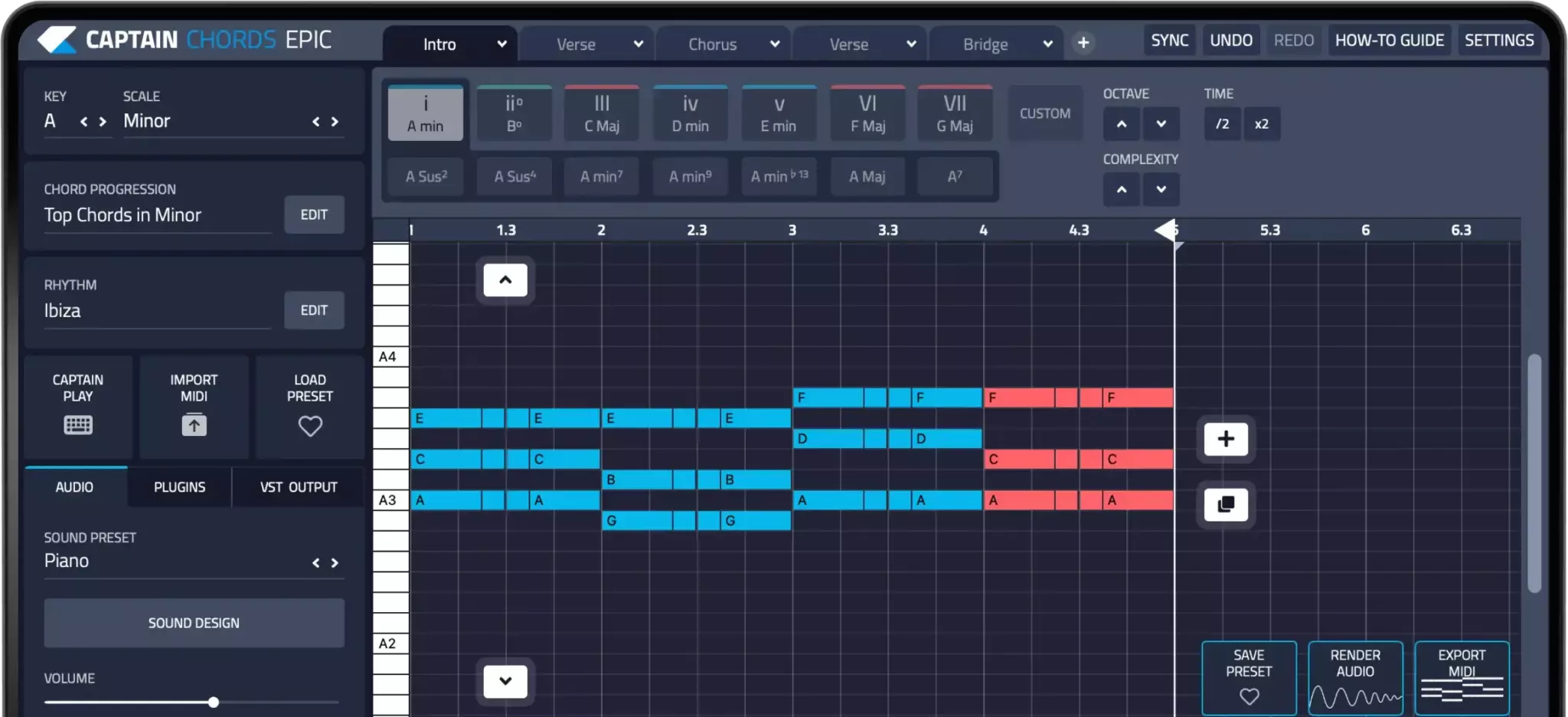
Captain Plugins helps you write chords, melody, bass and drum parts. Balance and process those parts with the mixing tools in your DAW; composition tools do not replace a mix or mastering workflow.
Captain Plugins 8 overview
See the update video for the current canvas and editing workflow.
Useful references
Common questions
Is there an objective greatest collaboration?
No. Taste, context and the criteria used all affect that judgment. A listening guide is more useful when it explains what to notice.
How can I learn from a reference without copying it?
Study relationships such as arrangement, contrast and musical roles, then use your own notes, sounds and performances.